
Office Address
Ist Floor, 38 N, Shree Balaji Tower Hisar
Phone Number
+91 98965-80000
Email Address


Ist Floor, 38 N, Shree Balaji Tower Hisar
+91 98965-80000


 by Anand Prakash Gupta
In today’s digital world, businesses are more connected than ever. From customer databases and payment systems to cloud operations and internal communications, everything runs on technology.
But with this convenience comes a growing and often underestimated risk.
A single cyberattack.
One breach.
One compromised system.
That is all it takes to bring an entire business to a halt.
Across the world, organisations of all sizes are facing an alarming rise in cyber threats. What was once seen as an IT issue has now become a full-scale business risk. And the financial impact can be devastating.
This is where Cyber Insurance is no longer optional. It is essential.
Table of contents [Show]
Cyber Insurance, also known as cyber liability insurance, is designed to protect businesses from financial losses caused by cyber incidents such as data breaches, ransomware attacks, and system hacks.
While companies invest heavily in cybersecurity tools, no system is completely immune. Cyber insurance acts as a financial safety net when preventive measures fail.
It helps cover costs related to:
In a world where cyber threats evolve daily, cyber insurance ensures that businesses can recover quickly and minimise long-term damage.
Cyberattacks are no longer rare events. They are becoming more frequent, more sophisticated, and more targeted.
From small businesses to multinational corporations, no organisation is immune.
Some of the most common cyber threats today include:
The impact of these attacks goes beyond financial loss.
Businesses often face:
This is why cyber insurance is becoming a key part of modern risk management strategies.
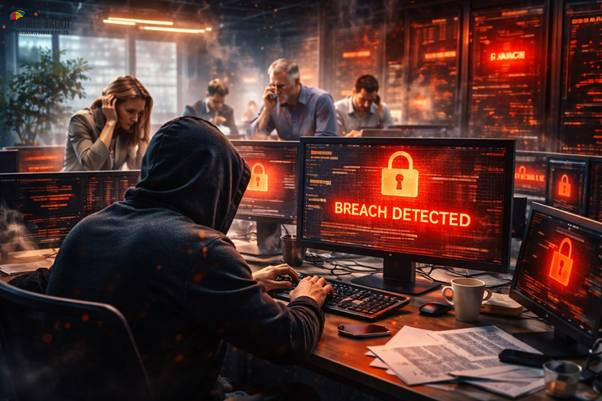
When a cyberattack occurs, the damage is immediate and multi-layered.
Cyber insurance helps businesses manage these consequences by providing financial support in critical areas.
If systems go down due to an attack, businesses may lose revenue for hours or even days. Cyber insurance helps compensate for this lost income.
Recovering lost or encrypted data can be expensive. Cyber insurance covers the cost of restoring systems and securing data.
In ransomware attacks, hackers demand payment to unlock systems. Cyber insurance can help cover these costs, depending on policy terms.
Data breaches often lead to legal actions and regulatory scrutiny. Cyber insurance helps cover legal fees and penalties.
After a cyber incident, businesses must rebuild trust. Cyber insurance can cover PR efforts and customer communication.
This comprehensive protection ensures that businesses are not left alone to deal with the aftermath of an attack.
There is a common misconception that cyberattacks only target large corporations.
In reality, small and medium-sized businesses are often more vulnerable because they may lack advanced cybersecurity infrastructure.
Hackers frequently target smaller companies because:
For large enterprises, the risk is equally significant due to the scale of operations and the volume of data handled.
This makes cyber insurance relevant for businesses of all sizes.
Whether it is a startup, a growing company, or a multinational organisation, cyber risk is universal.
Many businesses assume that their existing insurance policies will protect them against cyber incidents.
However, most traditional policies, such as property insurance or general liability insurance, do not cover cyber risks.
Cyber incidents fall into a specialised category that requires dedicated coverage.
Without cyber insurance, businesses may have to bear the full cost of:
This gap in coverage is why cyber insurance has become an essential component of business protection.
Effective cyber risk management involves more than just installing antivirus software or firewalls.
It requires a combination of:
Cyber insurance does not replace cybersecurity. Instead, it complements it.
While security systems aim to prevent attacks, cyber insurance ensures that businesses can recover when prevention fails.
This dual approach is critical in today’s threat landscape.
The cost of a cyberattack can be far greater than most businesses expect.
It is not just about immediate financial loss.
It includes:
For many businesses, especially smaller ones, a major cyberattack can be difficult to recover from.
Some never fully regain their operational stability.
This is why cyber insurance is not just an expense. It is an investment in business continuity.
The digital age has transformed how businesses operate. But it has also introduced new and complex risks.
Cyberattacks can happen without warning. And when they do, the impact can be immediate and severe.
Cyber insurance provides a critical layer of protection that helps businesses navigate these challenges.
It ensures that when the unexpected happens, organisations have the financial support to recover, rebuild, and continue operating.
Because in today’s world, the real question is not whether a cyberattack will happen.
It is whether your business is prepared when it does.