
Office Address
Ist Floor, 38 N, Shree Balaji Tower Hisar
Phone Number
+91 98965-80000
Email Address


Ist Floor, 38 N, Shree Balaji Tower Hisar
+91 98965-80000


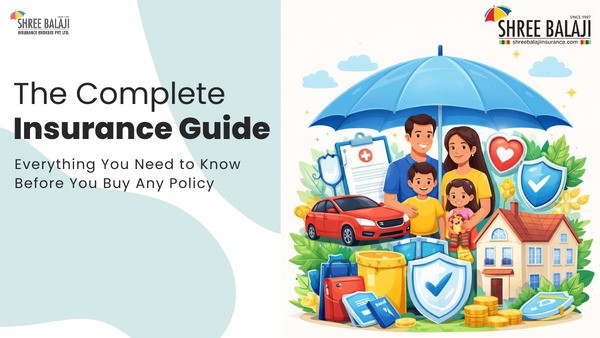
 by Anand Prakash Gupta
Insurance is one of those things most people know they need, but very few truly understand. We usually buy it because someone tells us to, a bank insists on it, or a friend shares a bad experience. Rarely do we buy insurance with complete clarity and confidence.
This guide is written to change that.
Whether you are buying insurance for the first time or reviewing policies you already have, this comprehensive insurance guide will help you understand how insurance really works, what type of insurance you actually need, and how to avoid common mistakes that cost people money and peace of mind.
Table of contents [Show]
At its core, insurance is a financial safety net. You pay a small amount regularly, called a premium, so that a much larger financial risk is taken care of by the insurance company.
But insurance is not just about claims. It is about protection, stability, and planning for uncertainties that life throws at everyone.
A medical emergency, an accident, a fire, theft, natural disasters, or even early death can derail years of savings. Insurance ensures that one unfortunate event does not wipe out everything you have built.
Understanding different types of insurance is the first step towards making informed decisions.

Life insurance provides financial support to your family in case of your death. It is meant to replace income, clear liabilities, and secure future goals.
Common types of life insurance include term insurance, whole life insurance, endowment plans, and unit-linked insurance plans.
Term insurance is considered the purest and most affordable form of life insurance. It offers high coverage at low premiums and is ideal for income protection.

Health insurance covers medical expenses arising from illnesses, accidents, and hospitalization. With rising healthcare costs, health insurance is no longer an optional expense.
A good health insurance policy covers hospital bills, pre- and post-hospitalisation expenses, day-care procedures, and sometimes even critical illnesses.
Family floater health insurance plans are popular because they cover the entire family under a single policy.

Motor insurance is mandatory by law in India. It covers cars, bikes, and commercial vehicles.
There are two main types of motor insurance. Third-party insurance covers damage caused to others, while comprehensive motor insurance covers your vehicle along with third-party liability.
Add-ons like zero depreciation cover, engine protection, and roadside assistance enhance protection.

Home insurance protects your house and belongings against risks such as fire, theft, floods, and earthquakes.
Many homeowners assume their property is safe enough until something goes wrong. Home insurance ensures your biggest asset remains protected.
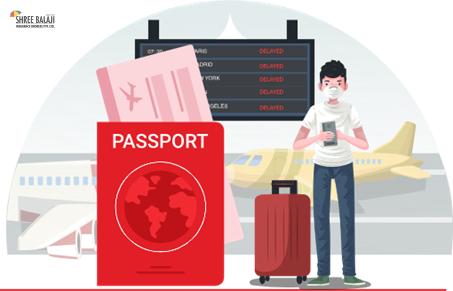
Travel insurance covers risks associated with domestic and international travel. This includes medical emergencies, trip cancellations, baggage loss, and flight delays.
Many countries require travel insurance for visa approval, but even when not mandatory, it is highly recommended.
Businesses face unique risks ranging from property damage and liability to employee-related risks.
Commercial insurance includes fire insurance, marine insurance, liability insurance, group health insurance, and employee compensation policies.
Proper insurance planning is critical for business continuity.
Insurance premiums depend on several factors. These include age, health condition, occupation, coverage amount, policy tenure, and risk profile.
For motor insurance, vehicle age, model, fuel type, and location also play a role.
Understanding premium calculation helps you choose adequate coverage instead of just chasing low prices.
Insurance documents are filled with jargon, but understanding a few key terms makes a big difference.
Choosing the right insurance policy is not about buying the most expensive plan or the one your friend bought.
Many people underestimate the value of a good insurance advisor.
An experienced insurance broker helps you assess risks, compare multiple insurers, and choose unbiased solutions. They also assist during claims, which is when insurance truly matters.
A broker works for you, not for one insurance company.
The insurance sector in India is evolving rapidly with digital platforms, customisable policies, and increased awareness.
Regulatory changes, higher foreign investments, and customer-centric products are reshaping how insurance is bought and experienced.
Technology is making insurance simpler, faster, and more transparent.
Insurance is not about fear. It is about responsibility.
It is about ensuring that your family, assets, and dreams remain protected no matter what happens. When chosen wisely, insurance gives peace of mind that no other financial product can offer.
If you treat insurance as an essential life decision rather than a forced purchase, it will always work in your favour.